Our Story
From the king's relay riders to a village with nowhere left to sit.
Two histories run through Gwanjeong 3-ri: one recorded in the royal annals, and one that was never written down at all.
Sourced from the Sejong Sillok
Jeonui Chosu in the record
January 1444
A visitor reports to King Sejong that springs with a peppery mineral taste — chosu — exist in three places, including Jeonui-hyeon. The king, suffering from an eye ailment, orders an official sent to investigate.
April 1444
Officials are dispatched to test the spring's water on patients. The Ministry of War orders four spring sites in Jeonui and two in Mokcheon fenced and protected.
June 1444
Results are mixed. Sejong orders a careful individual accounting of who was helped and who wasn't.
July 1444
Sejong issues a seven-point directive establishing a formal relay: dedicated horses at each station, guards assigned around the clock, a strict overnight schedule to keep the water fresh — this order is why the road is remembered as "the King's water road" today.
Intercalary 7th Month, 1444
Two patients with eye conditions are sent directly to Jeonui Chosu for treatment.
February 1445
A provincial official pleads for the king to visit again; Sejong refuses, citing concern for a province already strained by famine. This is the last mention in the official record.
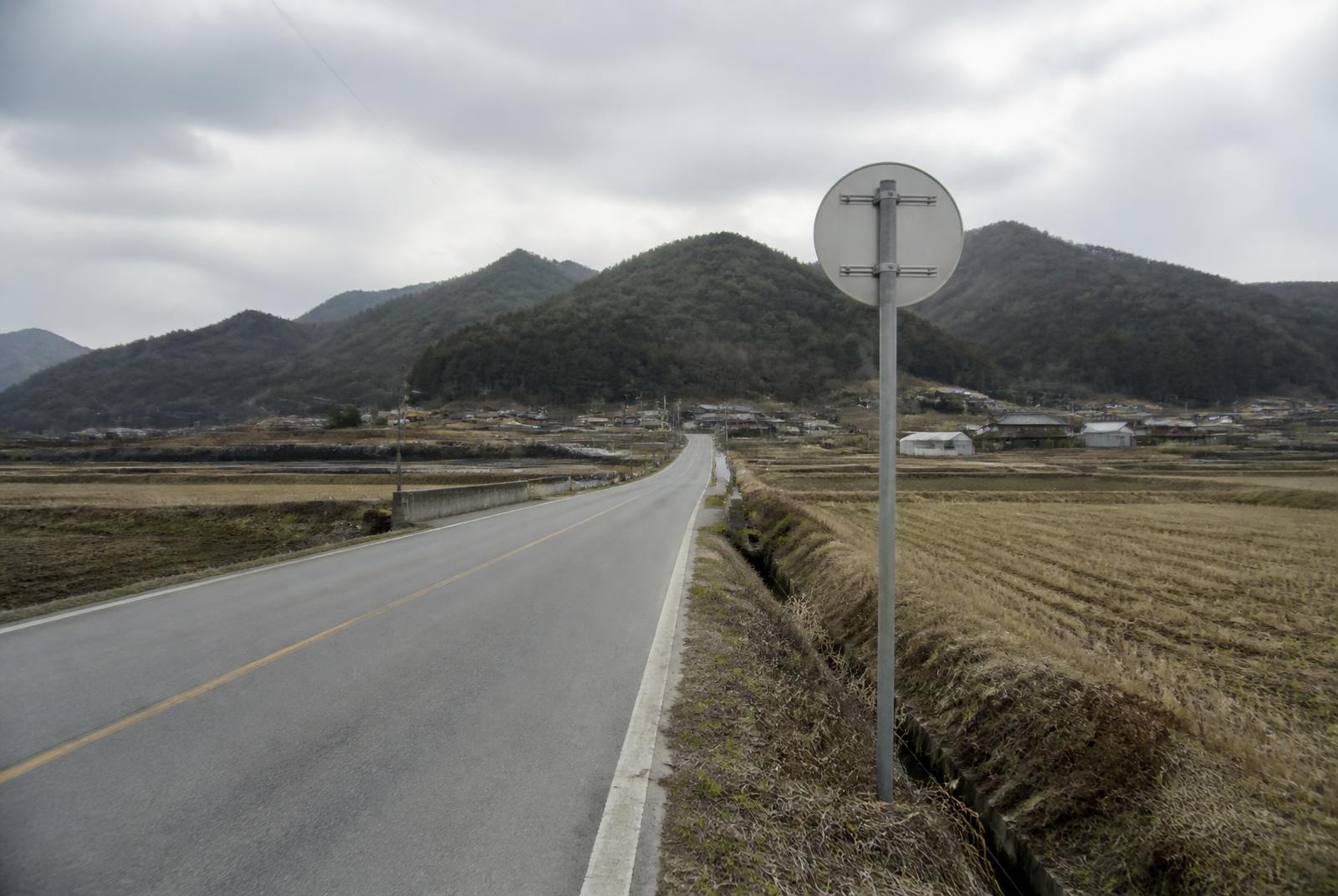
Water carried by night, station to station, so a king's eyes might heal by morning — that same road now runs past a village with no room left for its own elders to sit down.
The present day
A village too small to notice
Gwanjeong 3-ri sits right at the boundary where Sejong meets Cheonan — small enough that it barely registers on a map, and small enough that when its senior center was lost, there was no institutional pressure to rebuild it. The wider Gwanjeong-ri area is home to under 400 people; Gwanjeong 3-ri itself is closer to a hundred, and most of them are elderly.
This is the same pattern playing out across rural Korea: younger residents move to cities for work and school, the population left behind skews older every year, and the shared spaces that once held a village together thin out one by one until they're gone.
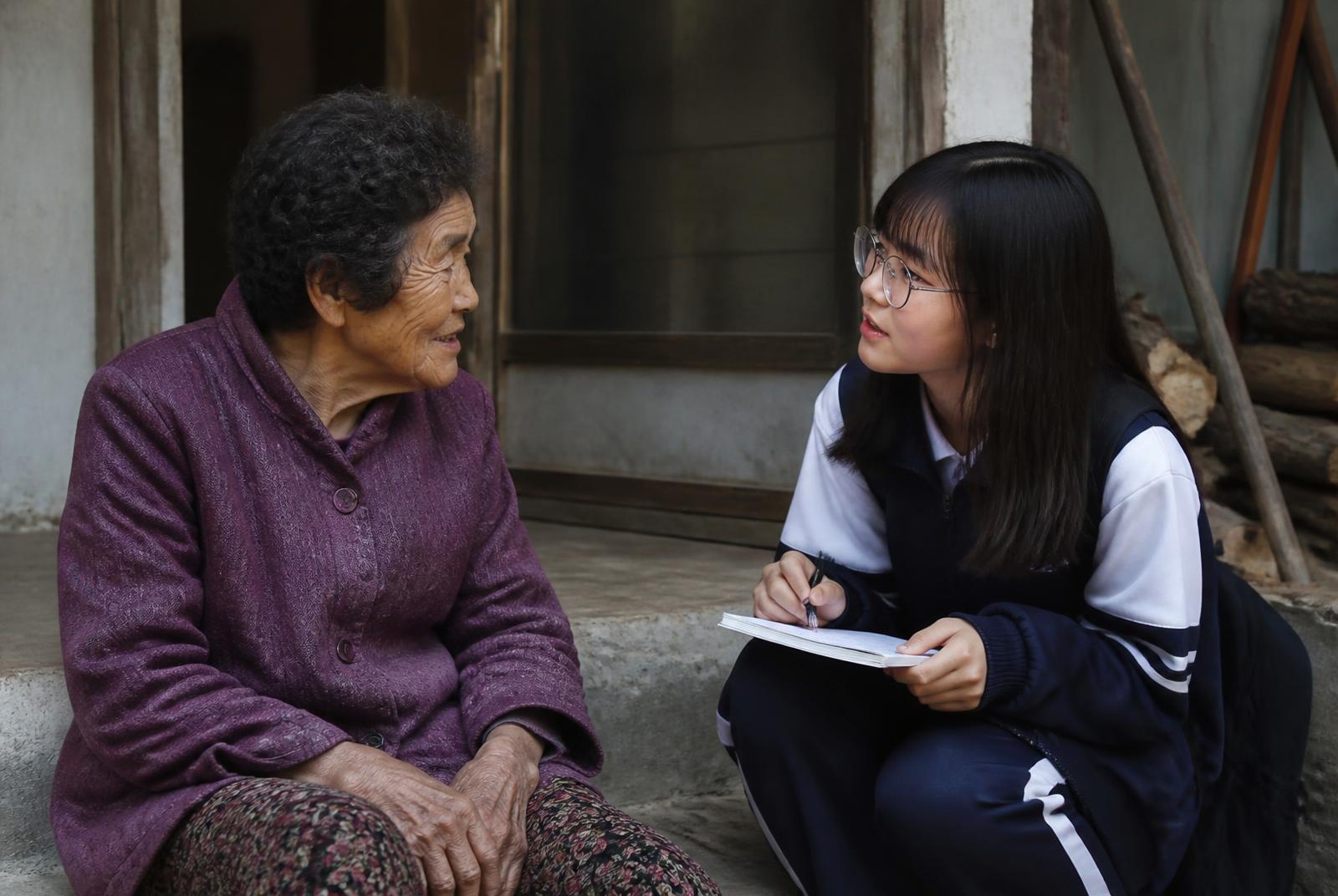
In interviews, the village's elders didn't describe this as a crisis. They described it as something smaller and sadder: no shade in summer, nowhere dry to sit after rain, and a habit of gathering in front of one villager's house because there's simply nowhere else.